Most people who visit your website leave without buying, booking or filling in a form, and that is completely normal. At We Marqetize we see it every day in the analytics of our clients in Islamabad: someone lands on a pricing page, compares two or three providers, gets pulled into a WhatsApp message and never comes back. Retargeting ads exist for exactly this moment. They let you reconnect with people who already showed interest, so a first visit does not have to be the only chance you get to earn the sale.
In this guide we explain how retargeting ads work in 2026, the campaign types that actually move the needle for businesses in Pakistan and abroad, and the practical rules our team uses to stop budget from leaking. No jargon for its own sake, just the approach we would set up for a paying client.
What are retargeting ads and how do they work?
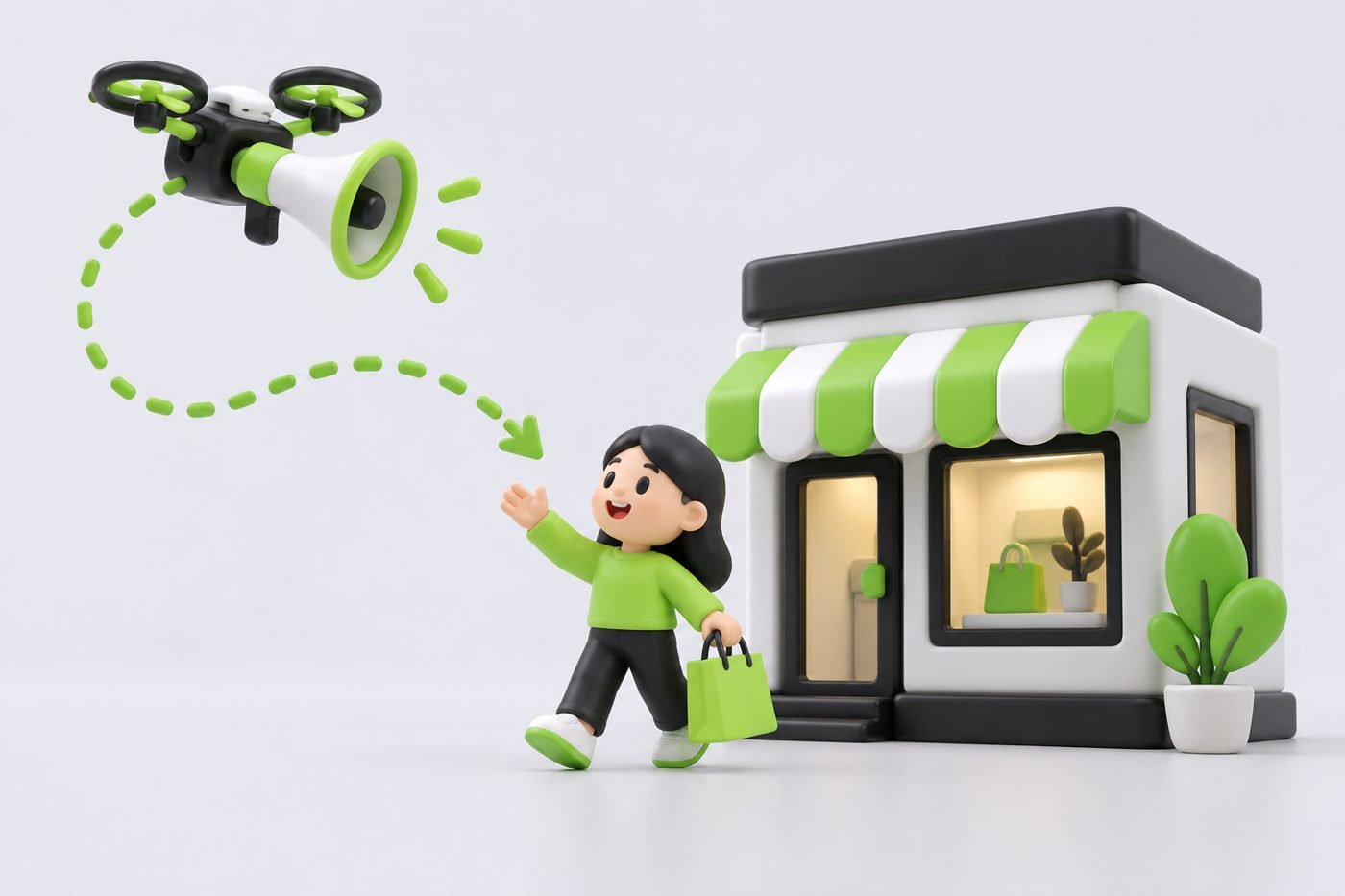
Retargeting ads are paid placements shown to people who have already interacted with your brand, whether that was visiting your site, watching a video, opening an email or engaging with a social post. Instead of spending your whole budget on cold strangers, you spend part of it on warm audiences who already recognise your name. Because those people are further along in their decision, retargeting ads usually convert at a lower cost than pure prospecting.
The mechanics are simple once you break them down. A small tracking tag on your website records which pages a visitor saw. That activity builds an audience, and your campaign then shows tailored ads to that audience across Google, Meta, YouTube, LinkedIn or display networks. Modern setups lean heavily on first party data too, meaning the email lists, customer records and form submissions you already own. With browsers phasing out third party cookies, that owned data has become the most reliable fuel for a retargeting campaign.
Before you spend a single rupee, a good strategy answers four questions:
- Who should be retargeted (all visitors, or only those who reached a pricing or checkout page)?
- What action did they take, and how recently?
- What message should they see next to nudge them forward?
- When should the ads stop, so you are not paying to chase someone who already bought?
Which types of retargeting campaigns should you use?
There is no single correct channel. The right mix depends on where your customers spend their time and what a conversion is worth to you. These are the retargeting campaigns we build most often for local and international clients.
| Campaign type | Best for | Typical goal |
|---|---|---|
| Google remarketing | Long consideration cycles, service businesses | Stay visible across Search, Display and YouTube |
| Facebook and Instagram | Local services, consumer brands | Re-engage page and video viewers |
| Abandoned cart | E-commerce stores | Recover near-complete purchases |
| Email re-engagement | Businesses with a subscriber list | Follow up known contacts at low cost |
| Dynamic product | Large catalogues | Show the exact item a person viewed |
Search and display remarketing ads on Google keep your brand in front of buyers who take days or weeks to decide, which describes most B2B and high-value purchases in Pakistan. Social retargeting on Meta is usually the workhorse for local service providers: think of a clinic in Islamabad retargeting everyone who viewed a booking page but never confirmed an appointment. For online stores, abandoned cart retargeting is the single highest-return campaign you can run, because those shoppers were one tap away from paying. Our Facebook and Instagram Ads and Google Ads (PPC) teams often run these channels together so a visitor sees a consistent message wherever they browse next.
Do not forget LinkedIn and email
For B2B firms selling to enterprises or government suppliers, LinkedIn retargeting reconnects with decision makers who read a case study but did not enquire. Email re-engagement, meanwhile, costs almost nothing because you already own the contact. A well-timed reminder about a product someone viewed, or a short offer with a deadline, frequently outperforms a brand-new ad campaign. If your goal is a steady flow of enquiries rather than one-off sales, pair retargeting with the tactics in our guide to how AI is changing lead generation.
What can retargeting ads actually achieve?
It helps to match each retargeting campaign to a clear objective rather than running everything at once. The goals we set for clients usually fall into four buckets:
- Awareness recovery: gently remind visitors who left without acting that you exist and can help.
- Conversions: push warm audiences to request a quote, book a call or complete a purchase.
- Cart recovery: bring shoppers back to a checkout they abandoned, often with free delivery within Pakistan or a small discount.
- Customer lifetime value: re-engage past buyers with upsells, cross-sells and loyalty offers so each customer is worth more over time.
The honest caveat we share with every client: retargeting amplifies an offer, it does not fix a weak one. If your landing page is confusing or your pricing is unclear, better targeting will only pay to send more people to a leaky page. Sort the destination first, then scale the traffic.
What are the retargeting best practices that protect your budget?
The difference between a profitable campaign and wasted spend usually comes down to discipline, not clever creative. These are the retargeting best practices our team applies to every account.
- Segment by intent. Someone who viewed your pricing page deserves a different message from someone who read one blog post. Group audiences by the action they took, then match each group with a relevant ad.
- Use dynamic ads where they fit. For stores with many products, dynamic ads that show the exact item a person viewed almost always beat a generic banner.
- Test creative continuously. Rotate images, headlines and calls to action. A call to action is simply the instruction that tells a viewer what to do next, such as "Book a free call".
- Track the actions that matter. Measure conversions, cost per acquisition and form submissions, not just clicks. Clean tracking is why we set up proper analytics before launching any paid campaign.
- Cap your frequency. Nobody should see the same ad fifteen times. Frequency caps and audience exclusions prevent the fatigue that makes a brand feel like it is stalking people.
Google explains the audience and privacy settings behind these controls in its own Google Ads help centre, which is worth bookmarking if you manage campaigns in-house. For a wider view of paid media benchmarks and consumer behaviour, the research library at HubSpot is a reliable, jargon-free starting point.
How much should a business in Pakistan budget for retargeting?
Because retargeting audiences are small and warm, you rarely need a large budget to see results. Many of our Islamabad clients start by allocating roughly 15 to 25 percent of their existing ad spend to retargeting rather than adding a huge new line item. On Meta, a modest daily budget in PKR is often enough to keep a service business in front of last month's website visitors. The point is not to outspend a competitor but to stay present during the quiet days between the first click and the final decision. As results come in, shift more budget toward the segments that convert and cut the ones that do not. If you are unsure where to begin, our Islamabad marketing team can map a starting budget to your actual sales cycle.
Frequently Asked Questions
What is the difference between retargeting and remarketing?
The terms are used almost interchangeably today. Historically, retargeting referred to paid ad follow-ups shown to website visitors, while remarketing described re-engaging known contacts through email or customer lists. Google labels its ad product "remarketing", so do not get stuck on the wording; focus on the audience and the message.
How long should someone stay in a retargeting audience?
It depends on your sales cycle. For an impulse purchase, 7 to 14 days is plenty. For a considered B2B service that takes weeks to close, a 30 to 90 day window makes more sense. Always exclude people who have already converted so you stop paying to reach existing customers.
Do retargeting ads still work without third party cookies?
Yes, and this is why first party data now matters so much. Campaigns built on your own email lists, customer records and on-site activity are far more durable than ones that relied on third party cookies. We prioritise owned data when we set up any remarketing campaign.
Are retargeting ads worth it for a small local business?
Often more so than for large brands, because the audiences are small and cheap to reach. A local clinic, restaurant or store can recover a meaningful share of "almost" customers for very little spend, provided the tracking is set up correctly.
How do I stop retargeting ads from annoying people?
Set frequency caps, rotate your creative every few weeks, and exclude anyone who has already bought or enquired. Done well, retargeting feels like a helpful reminder rather than a chase.
Ready to bring your visitors back?
Retargeting ads are one of the highest-return moves in digital marketing when they are set up with clear segments, honest offers and tight frequency control. If you would like us to audit your current campaigns or build a retargeting strategy from scratch, book a free 15-minute strategy call with our team and we will show you exactly where your warm audiences are slipping away.